
Is Your Roof a Candidate for Restoration? 5 Signs to Check
Before you assume a full reroof is your only option, it's worth knowing whether your roof actually qualifies for restoration instead — a treatment that can cost roughly 20% of a full replacement and extend your roof's life without tearing it off.
Restoration isn't right for every roof. Here are the signs that suggest yours might be a good candidate, and the signs that mean it's time for a real conversation about a reroof instead.
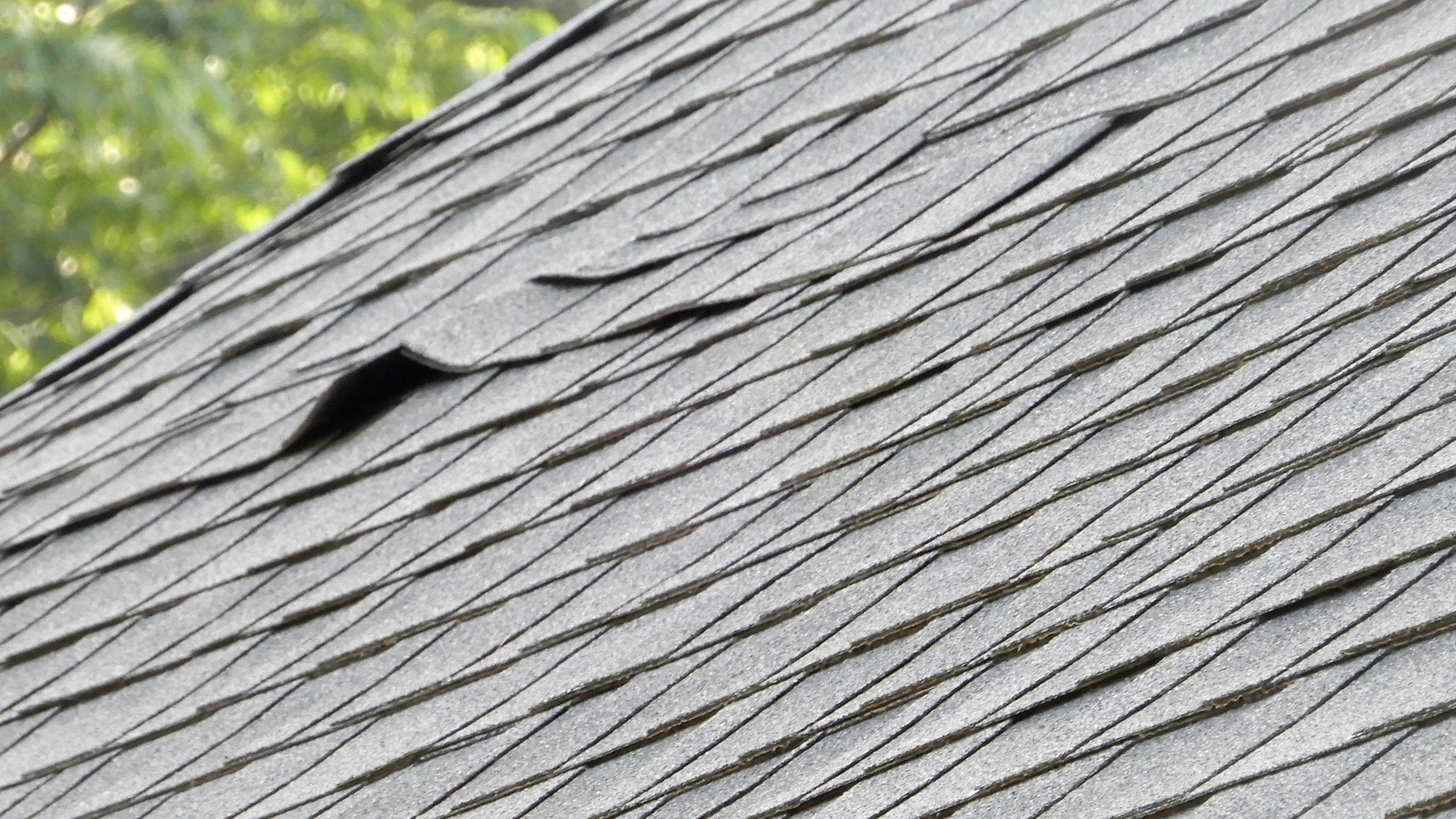
1. Curling or cupping shingles
As asphalt shingles age, they lose the oils that keep them flexible. Without those oils, the edges start to curl upward or the middle cups inward. This is one of the clearest signs your shingles are drying out — and it's exactly what restoration is designed to reverse, as long as the shingles haven't cracked or broken in the process.
2. Granules collecting in your gutters
Every asphalt shingle sheds a few granules over time — that's normal. But if you're noticing a noticeable buildup in your gutters or at the base of your downspouts, that's a sign your shingles are breaking down faster than expected. Restoration can slow that process if the shingles are otherwise intact.
3. Your roof is 10+ years old but hasn't been leaking
Age alone doesn't mean you need a reroof. If your roof is a decade or more into its life but you haven't had leaks, active damage, or missing shingles, it may just be an aging roof that needs its oils replenished — not a roof that's failed.
4. Fading or dull-looking shingles
Sun exposure breaks down the oils in asphalt shingles well before most homeowners notice any physical damage. If your roof looks visibly duller or less uniform in color than it used to, especially compared to a neighbor's newer roof, that's often an early sign worth checking — before it progresses to curling or granule loss.
5. No structural or deck damage underneath
This is the one that actually determines candidacy, and it's not something you can check from the ground. Restoration treats the shingles themselves — it doesn't fix a damaged roof deck, active leaks into your attic, or structural issues. That's why every project starts with a real inspection, drone and ground-level, before we recommend anything.
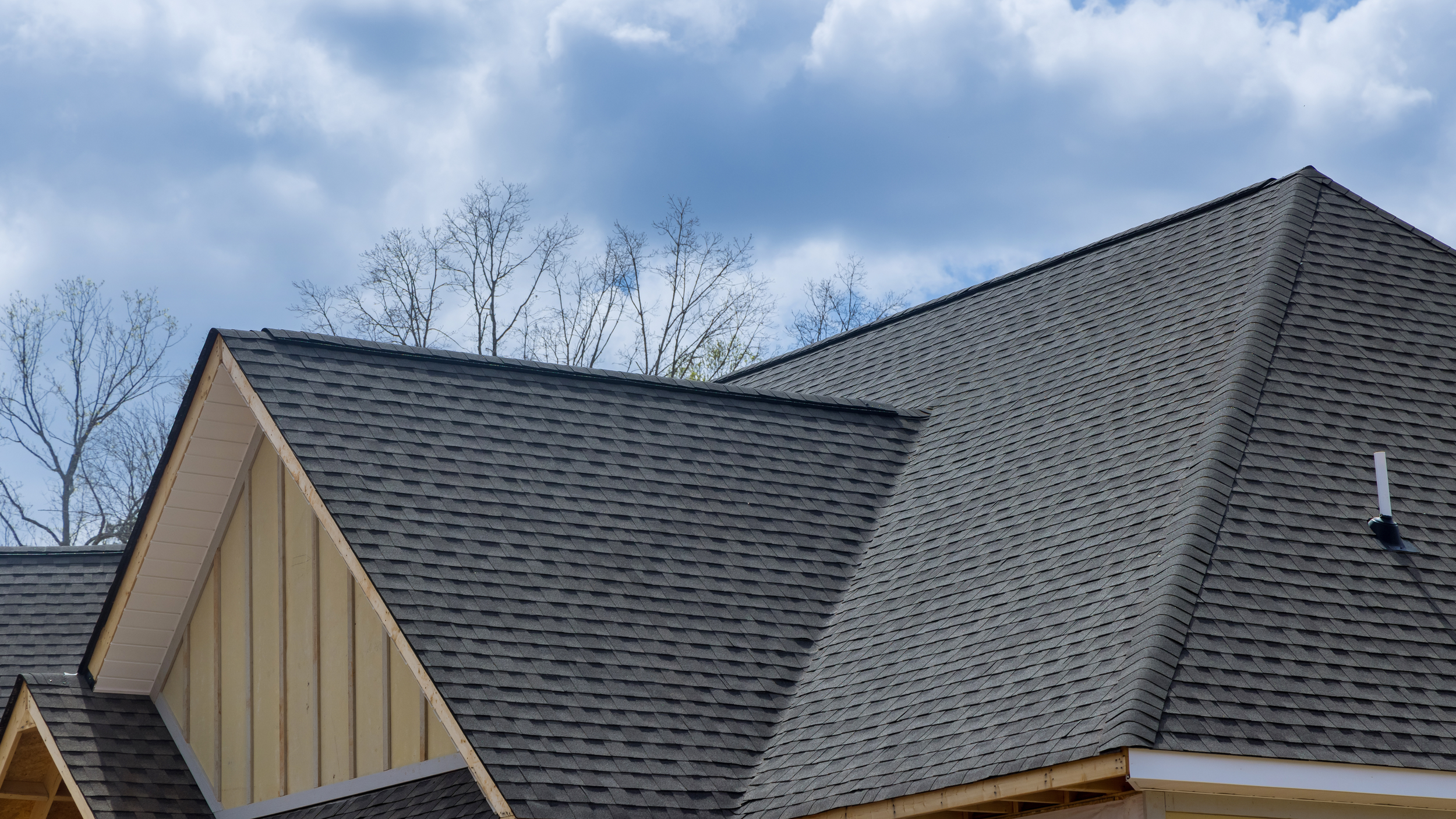
When restoration isn't the right call
We'll tell you straight if your roof needs a full reroof instead of restoration. That's usually the case when:
Shingles are cracked or physically missing, not just curling
There's active water intrusion into the home
The roof deck itself has damage
Recommending a reroof when restoration would've worked doesn't do you any favors — and recommending restoration for a roof that actually needs replacing doesn't either. We tell you which one your roof actually needs.
What restoration gets you if you qualify
Roughly 20% of the cost of a full reroof
Up to 5 years of extended life per treatment, and up to 15 years total across three applications
A 2-hour application in most cases — not days of work on your roof
A 6-year transferable warranty
Photo documentation of your roof's condition before and after
Find out for sure
The signs above are a starting point, not a diagnosis. Schedule a FREE roof inspection and we'll tell you plainly whether your roof qualifies for restoration or needs something more — no upsell either way.
