
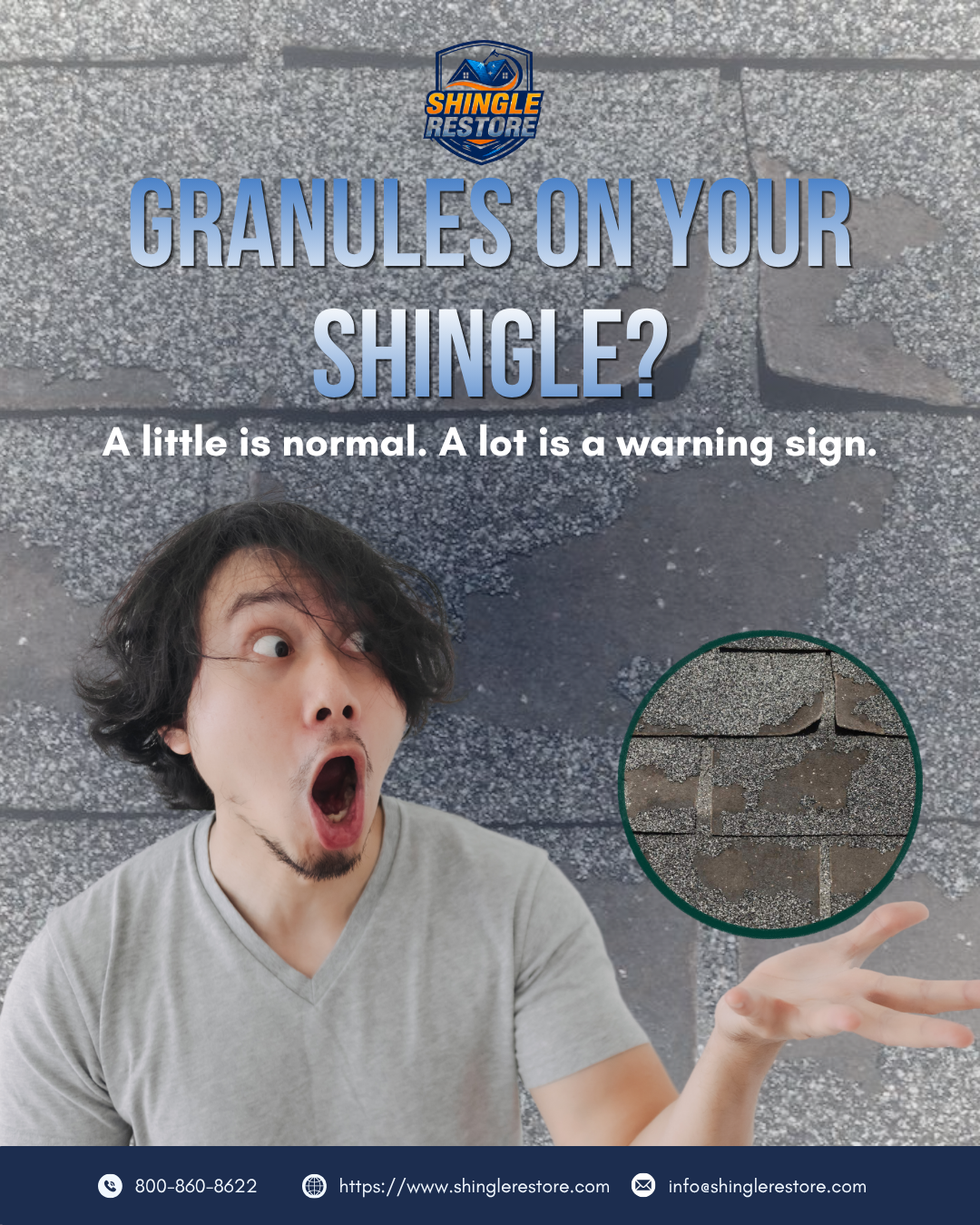
Granule Loss in Your Gutters: A Warning Sign Explained
Cleaning out your gutters and noticing what looks like coarse sand or tiny gravel? That's granule loss from your shingles — and it's worth paying attention to.
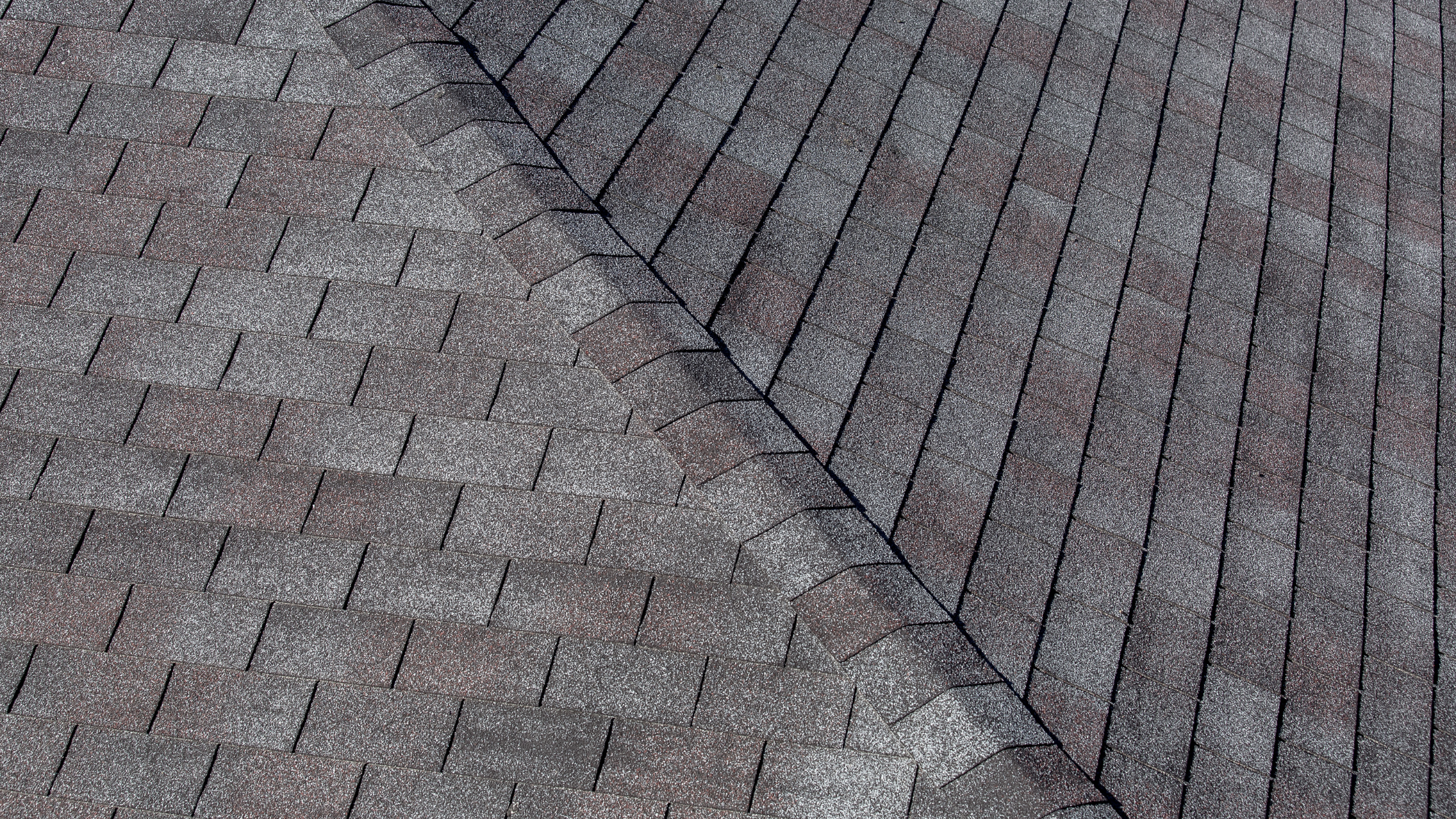
Roof Soft Wash vs. Roof Restoration: What's the Difference?
These two services get confused often, and it makes sense why — both involve your roof, and both make it look better. But they solve completely different problems, and knowing the difference matters before you book either one.
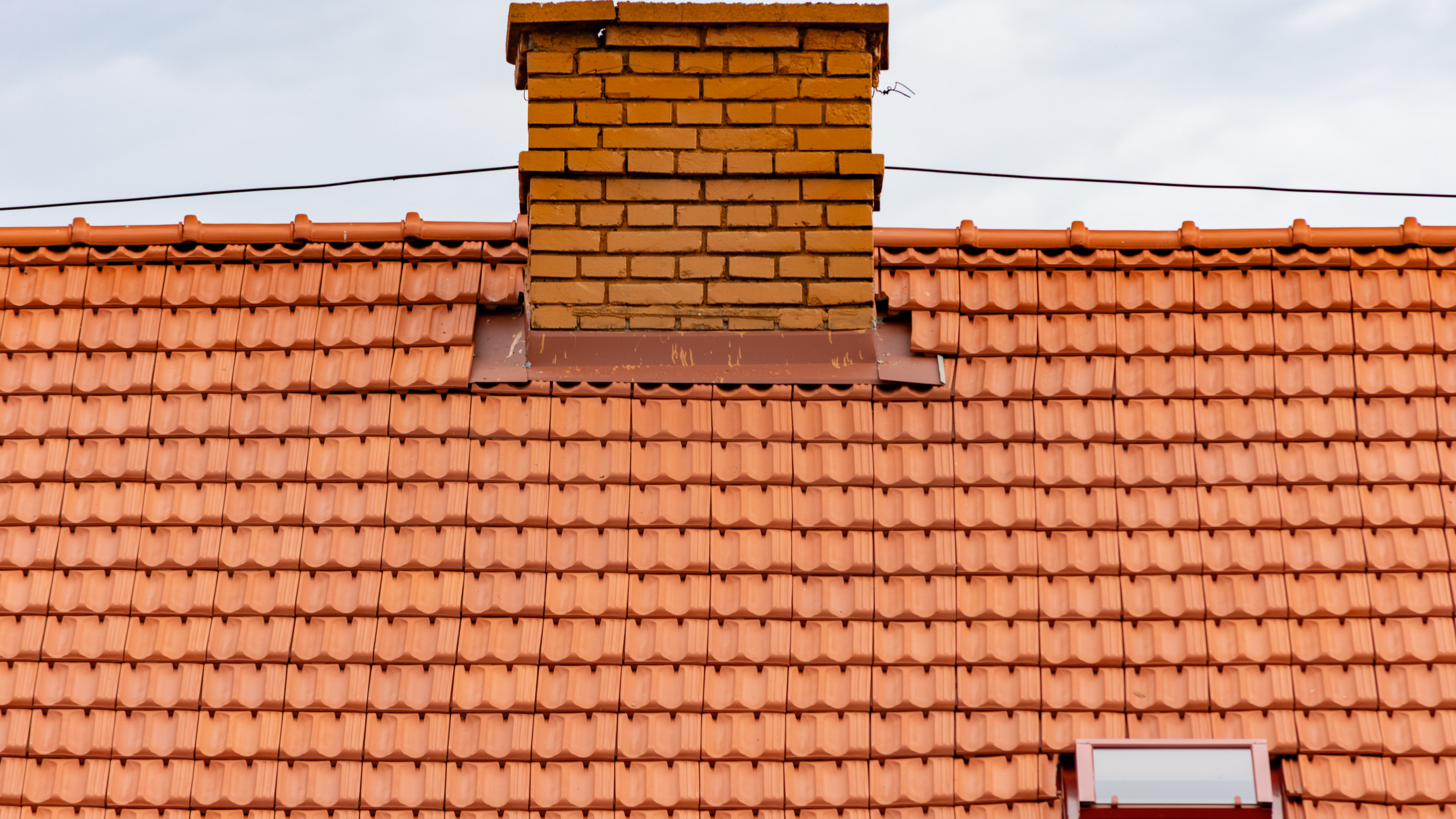
How Long Does a Restored Roof Actually Last?
This is the question we get most after "what does it cost" — and it deserves a real, specific answer, not a vague "extends the life of your roof."
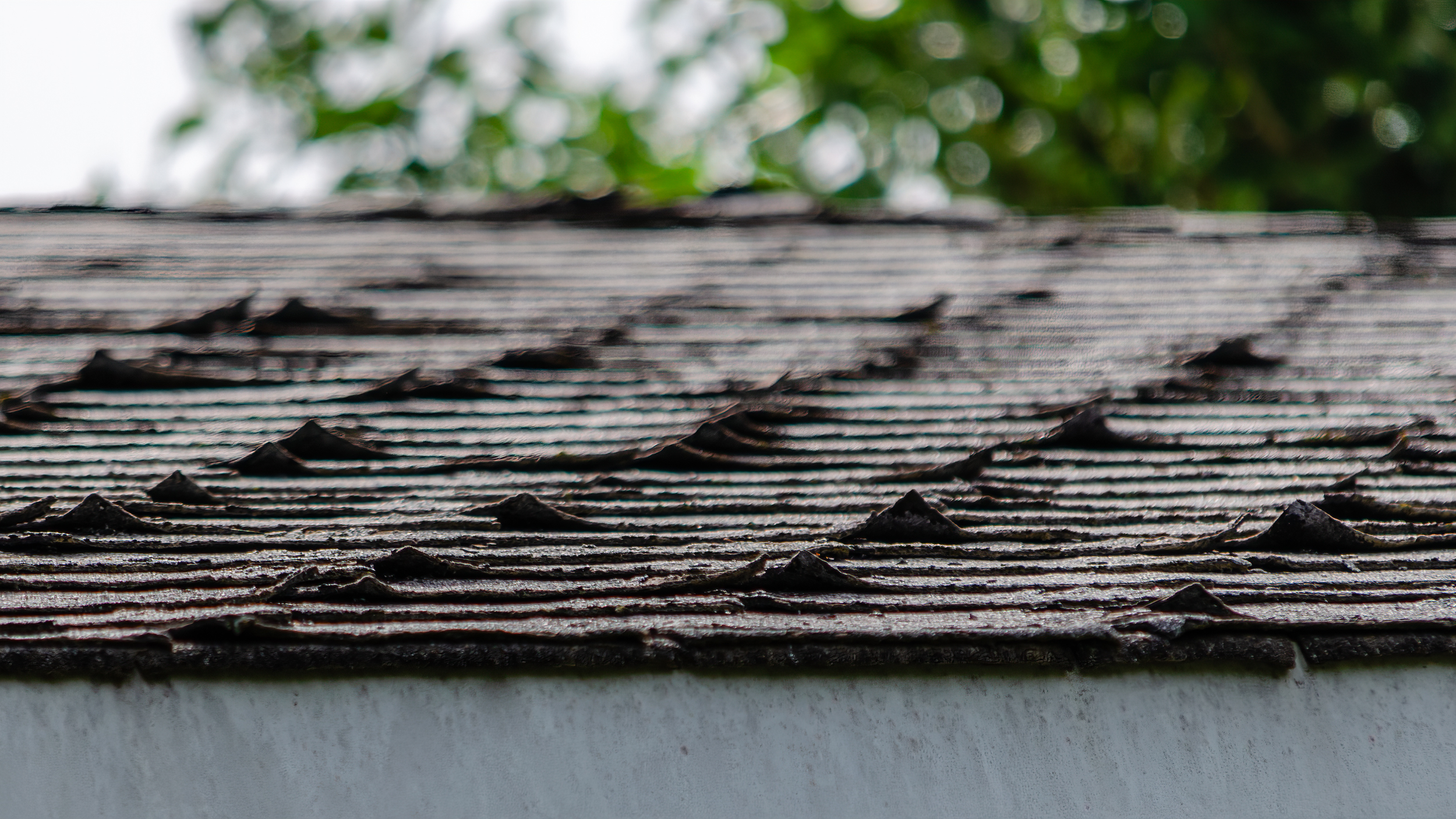
Curling Shingles: What They Mean and What to Do About It
If you've looked up at your roof and noticed the edges of your shingles lifting or cupping, that's not just cosmetic — it's a real sign your roof needs attention. Here's what's actually happening, and what your options are.
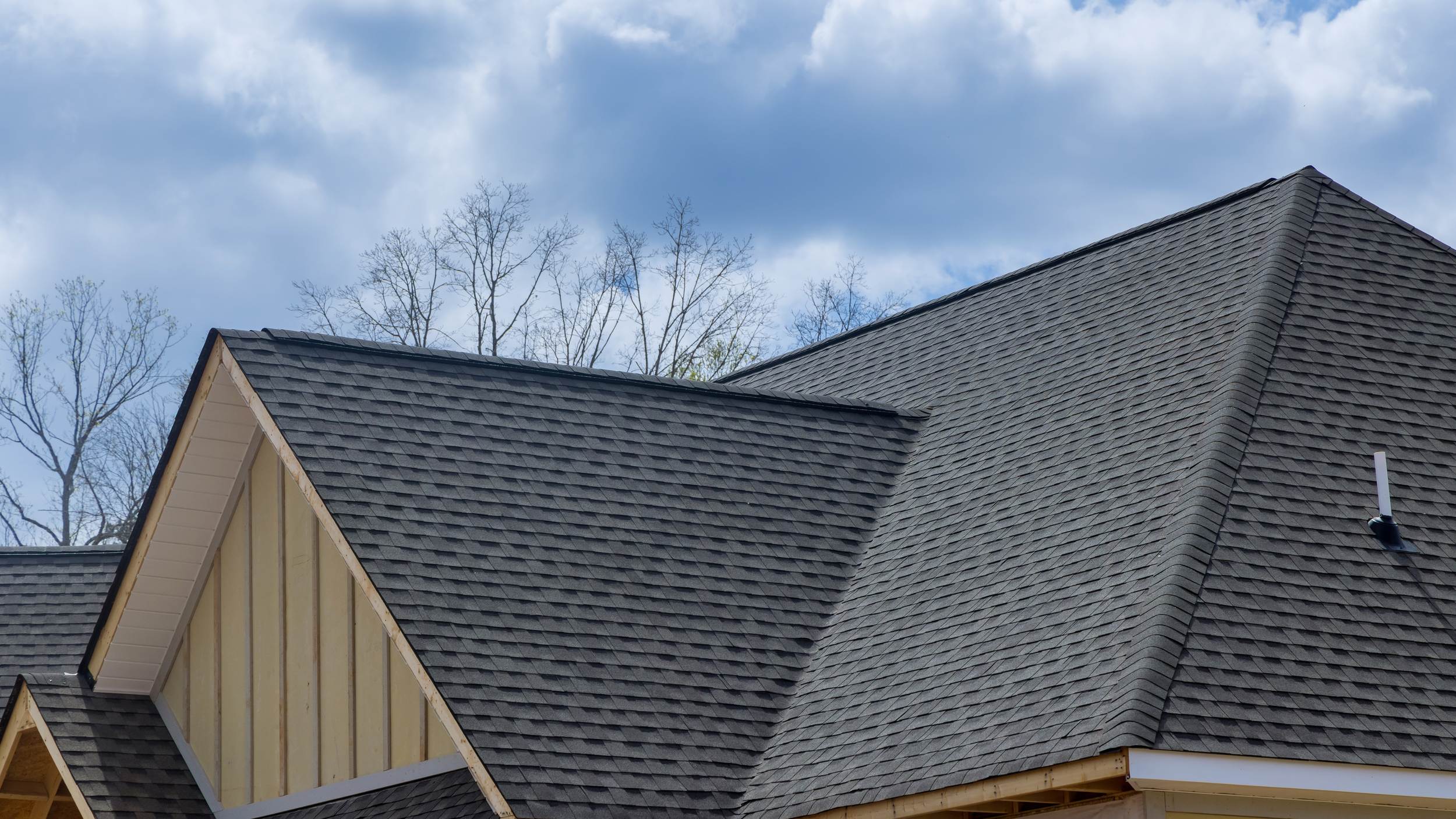
Is Your Roof a Candidate for Restoration? 5 Signs to Check
Before you assume a full reroof is your only option, it's worth knowing whether your roof actually qualifies for restoration instead — a treatment that can cost roughly 20% of a full replacement and extend your roof's life without tearing it off.
Restoration isn't right for every roof. Here are the signs that suggest yours might be a good candidate, and the signs that mean it's time for a real conversation about a reroof instead.
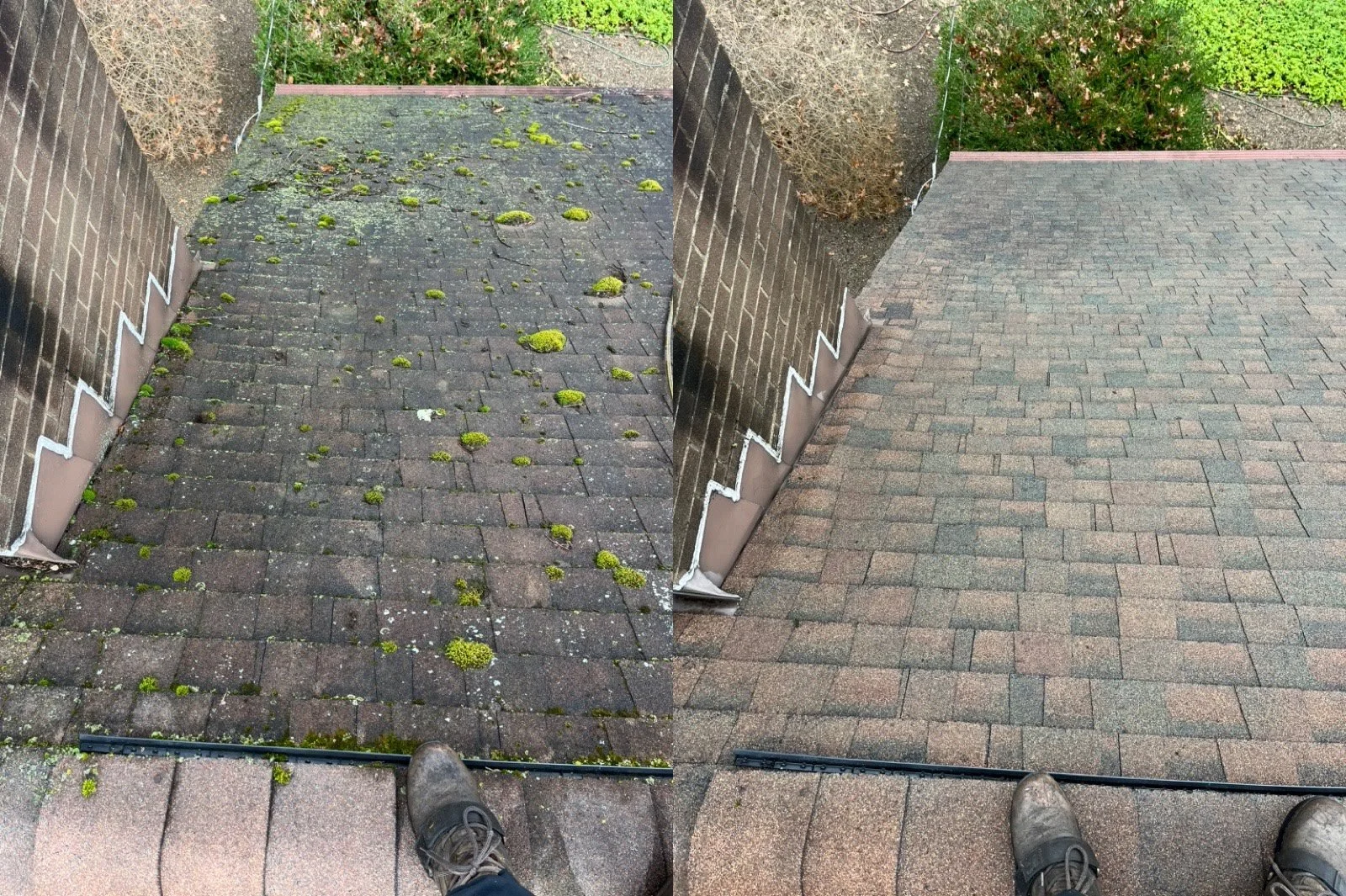
Roof Restoration vs. Full Reroof: What's the Real Cost Difference?
Most homeowners call a roofer assuming there's only one option: tear it off and replace it. That's not always true, and it's not always the cheaper — or the right — call.
Roof restoration is a bio-based treatment that restores flexibility to asphalt shingles instead of replacing them. It's not a coating, it's not a patch job, and it's not right for every roof. Here's the real comparison, so you can figure out which one applies to yours before you commit to either.